As we move into 2026, sustainable weight loss is no longer about crash diets or short-term fixes. The most effective programs now emphasize personalized nutrition, behavioral coaching, and overall wellness to support long-lasting results. With obesity rates exceeding 40% among adults in many regions, health experts increasingly advocate for gradual lifestyle changes that promote metabolic health and prevent weight regain.
Modern weight loss programs leverage technology such as mobile apps, wearables, and virtual coaching to help users track progress, build healthy habits, and stay accountable—making long-term success more achievable than ever.
Table of Contents
- Why Sustainable Weight Loss Matters in 2026
- Top Programs for Long-Term Transformation
- Combining Nutrition and Exercise for Better Results
- The Impact of Technology and Support Systems
- Emerging Trends in Weight Loss for 2026
- Practical Tips to Get Started
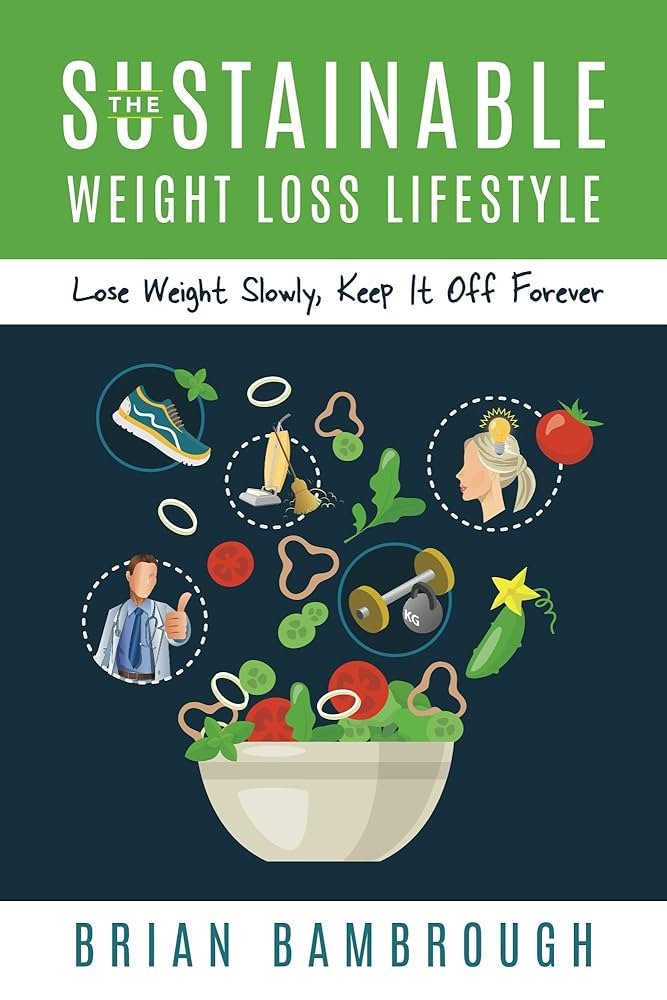
Why Sustainable Weight Loss Matters in 2026
Sustainable weight loss focuses on improving overall health rather than delivering rapid, temporary results. Today’s programs address key challenges such as hormonal imbalances, emotional eating, and stress management. Many now include AI-driven personalization and medically supervised tools, including GLP-1 medications for eligible individuals, to support long-term adherence.
This comprehensive approach not only supports weight reduction but also helps lower the risk of chronic conditions such as heart disease, type 2 diabetes, and metabolic disorders.
Top Programs for Long-Term Transformation
Several well-researched weight loss programs stand out in 2026 for their flexibility and focus on lifestyle integration:
- WeightWatchers uses a points-based system that promotes balanced eating without strict food restrictions, making it suitable for social and busy lifestyles.
- Noom applies behavioral psychology through daily lessons and coaching to help users build healthier habits and sustainable mindsets.
- Calibrate combines prescription medications like Ozempic with virtual coaching focused on nutrition, sleep, exercise, and emotional well-being.
The Mayo Clinic Diet offers a medically backed, two-phase plan centered on whole foods and portion control, ideal for individuals managing conditions such as diabetes. Wellos emphasizes recipe-based learning and coaching, making it a strong option for beginners seeking gradual, manageable changes.
Most programs range from $23 to $146 per month, with typical weight loss averaging 1–2 pounds per week when followed consistently.
Combining Nutrition and Exercise for Better Results
Effective programs prioritize nutrient-dense diets rich in vegetables, lean proteins, whole grains, and healthy fats while limiting processed foods and added sugars. Mediterranean-style eating plans, for example, support both heart health and weight management through foods like fish, nuts, and olive oil.
Exercise remains equally important. Experts recommend at least 150 minutes of moderate activity per week, including walking, cycling, or strength training, to boost calorie burn and preserve muscle mass. In 2026, options like HIIT workouts, virtual fitness classes, and at-home routines make staying active more accessible than ever.
The Impact of Technology and Support Systems
Technology plays a central role in modern weight loss success. AI-powered apps now deliver personalized meal plans, real-time feedback, and progress tracking. Wearables monitor metrics beyond weight, including sleep quality, hydration, and daily movement—all of which influence metabolism and consistency.
Telehealth and virtual coaching provide medical oversight and emotional support, especially for individuals managing chronic conditions. Online communities and group coaching further enhance motivation by fostering accountability and shared experiences.
Emerging Trends in Weight Loss for 2026
Several trends are shaping the future of sustainable weight loss:
- Plant-forward and flexible vegetarian diets for both health and environmental benefits
- Personalized nutrition based on genetics, metabolism, or lifestyle data
- Increased focus on sleep quality, gut health, and probiotics
- Growth of holistic wellness platforms combining fitness, nutrition, and mental health support
With the global weight loss market projected to reach $295 billion by 2033, demand continues to rise for comprehensive, enjoyable, and preventive health solutions.
Practical Tips to Get Started
Start with realistic goals, such as creating a 500-calorie daily deficit to support a steady one-pound-per-week weight loss. Simple changes—like choosing whole grains over refined carbs or drinking unsweetened beverages—can make a big difference.
Focus on consistency rather than perfection. Combine cardio and strength training, track non-scale victories like increased energy or better sleep, and consult a healthcare professional before starting medications or major lifestyle changes.
Final Thoughts
In 2026, the most successful weight loss programs empower individuals to build healthier, more balanced lives—not just lose weight. By embracing gradual changes, personalized strategies, and ongoing support, sustainable results are achievable for anyone ready to invest in long-term wellness.